
Family-owned lawn care for Fort Wayne and northeastern IndianaCall 260-854-2727
Feed the roots

Lawn Fertilization

Give cool-season turf the nutrients it can use, at times when growth and weather make the application worthwhile.

When to look closer

Color is only one part of lawn nutrition.

A pale or slow-growing lawn may need nutrients, but shade, drought, compaction, drainage, or disease can create similar symptoms. Fertilization works best when it is part of an accurate diagnosis.

  • Pale color or growth that is consistently weak
  • Thin turf that struggles to recover from normal use
  • Uneven performance across sun, shade, or soil conditions
  • A lawn program that has not been adjusted for the season
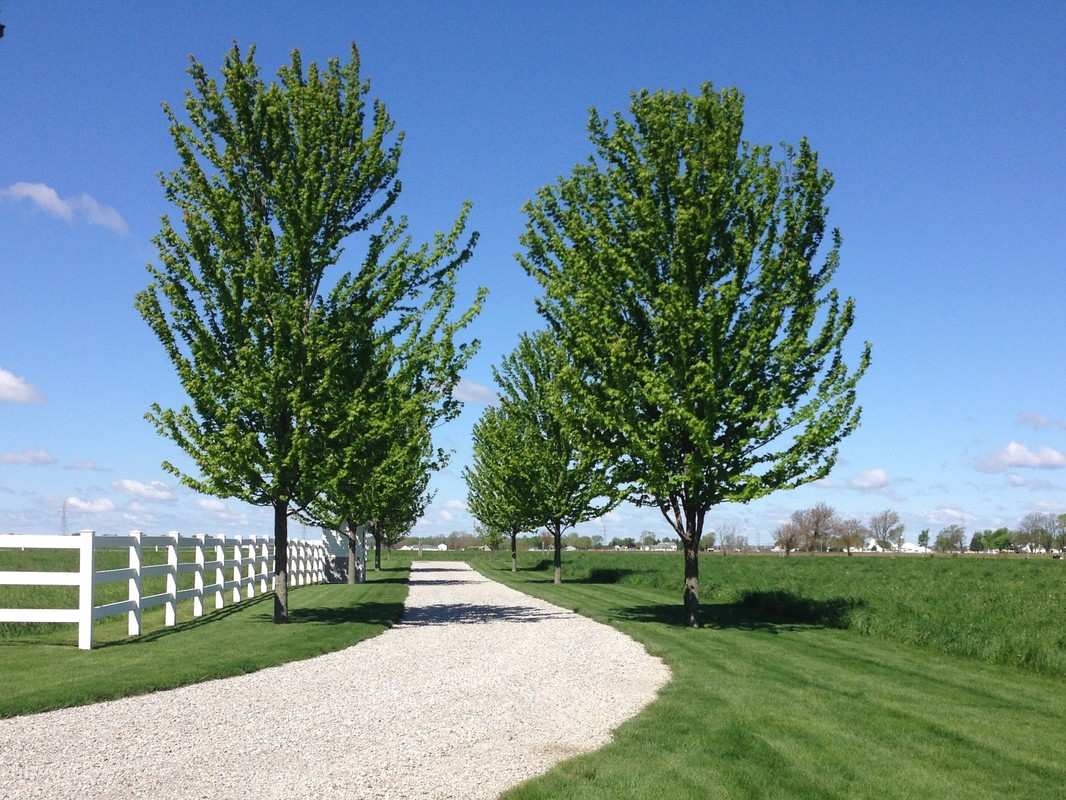
Healthy green lawn beside a northeastern Indiana home
Our approach

A measured plan for northern Indiana turf.

Green A Lawn uses a seasonal program rather than treating every month the same. Early applications prepare the lawn for growth and weed pressure. Later applications support color, roots, and winter readiness without ignoring heat or moisture stress.

The result we want is durable turf—not a short burst of color that creates more mowing while doing little for long-term root health. Product selection, release rate, weather, and the condition of the lawn all matter.

What the process looks like

Step 01

Look at the lawn in context

We consider color, density, moisture, shade, soil conditions, mowing, and the pattern of any weak areas.

Step 02

Choose the seasonal purpose

Each application should have a clear role, from early-season preparation to fall root support.

Step 03

Apply evenly and responsibly

Calibrated equipment and careful coverage help deliver a consistent application across the service area.

Step 04

Set expectations

We explain watering, mowing, weather considerations, and what kind of response is reasonable to expect.

Want to go deeper? Read Purdue Extension’s guide to maintaining an Indiana lawn from Purdue Extension.

Common questions

What homeowners ask about lawn fertilization.

How many fertilizer applications does a lawn need?

There is no single number for every lawn. Green A Lawn offers a focused seasonal program, but turf condition, expectations, irrigation, weather, and soil all affect the appropriate plan.

Will fertilizer fix bare areas?

Fertilizer can support existing turf, but it cannot replace grass where the stand is gone. Bare soil may require seeding, sod, drainage correction, or another repair after the cause is identified.

Should a lawn be watered after fertilization?

That depends on the product and weather. We provide application-specific instructions so you know whether rainfall or irrigation is needed and how long to wait before normal use.

Start with a conversation

Is lawn fertilization the right next step?

Tell us what you are seeing. We will help you sort through the symptoms and recommend a sensible next step.